Fostering the next generation of particle accelerator researchers is a vital part of the U.S. Department of Energy’s Lawrence Berkeley National Laboratory’s (Berkeley Lab) mission and vision. Through classroom lectures, guided facility tours, and participation in Science, Technology, Engineering, and Math (STEM) fairs, Berkeley Lab researchers, technicians, and operations staff inspire and educate future scientists and engineers. This effort supports STEM careers and helps develop the Lab’s talent pipeline.
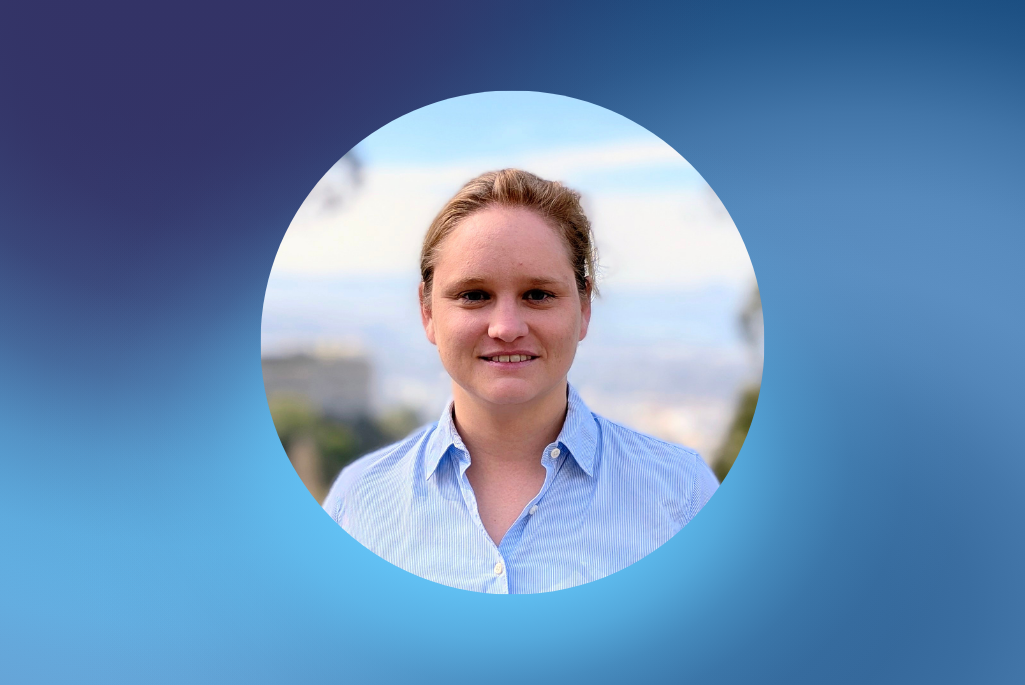
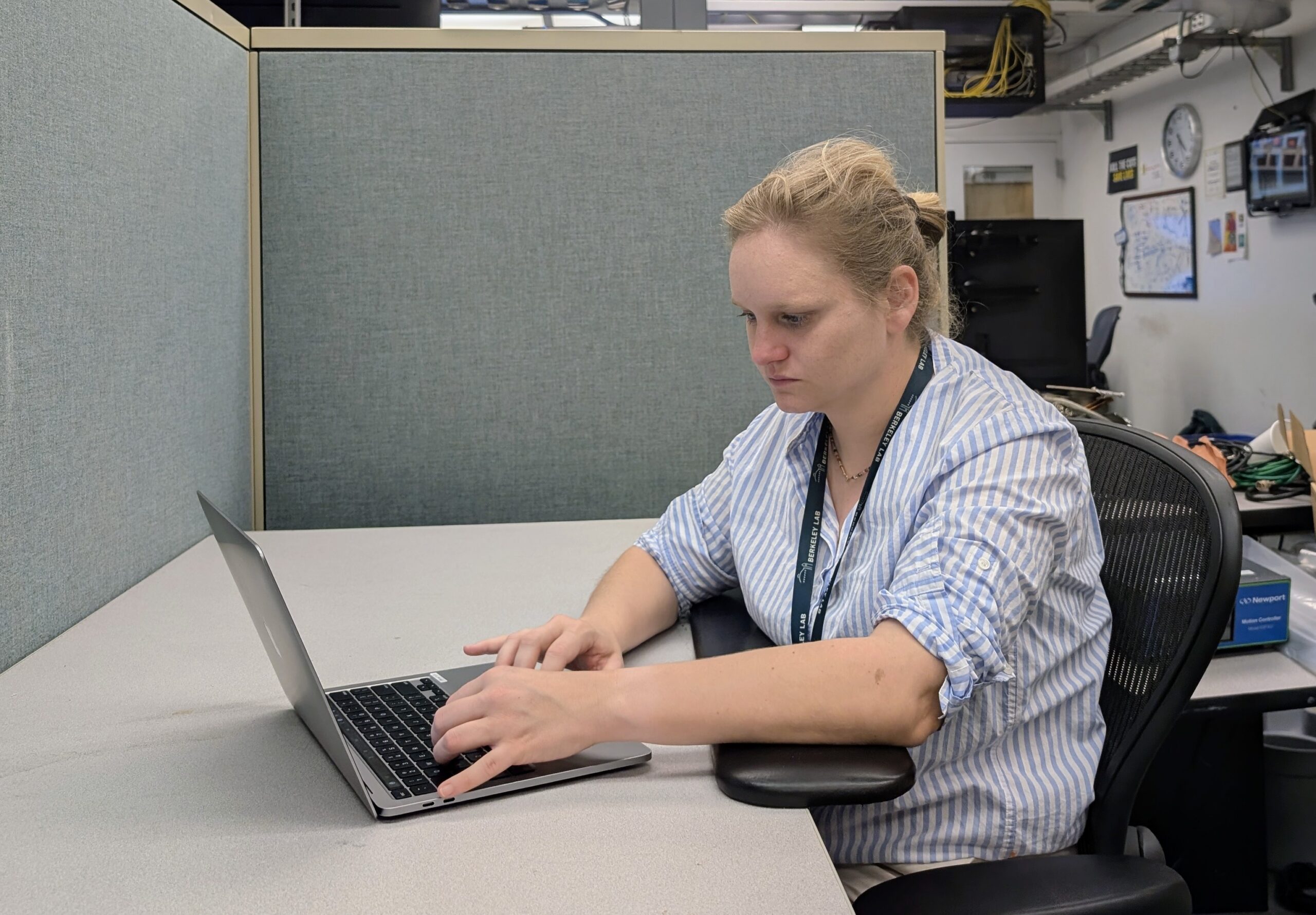
Last month, Sarah Schröder, a project scientist at the BELLA Center within Berkeley Lab’s Accelerator Technology & Applied Physics Division, took part in the Contra Costa County Science and Engineering Fair, where she served as one of the judges for math and science projects.
“I was impressed by the students’ advanced coding skills and the maturity of their projects, which had only taken six months,” says Schröder. “The students chose very timely projects, which included predicting wildfires, detecting deepfakes, and simulating protein folding for drug discovery.”
 The projects were executed “with a high degree of technical rigor,” she adds, “complemented by poster presentations so professional that they essentially mirrored the quality of a formal poster session at our typical research conferences.”
The fair was open to students attending schools in Contra Costa County, in the East Bay region. More than 250 student projects, from junior high to freshman level, were submitted across the following categories: behavioral sciences, biological sciences, engineering sciences, environmental sciences, physical sciences, and math and computer science. One or two students can then advance to the next round of the fair.
Schröder’s evaluation followed a multi-stage, weighted process that first assessed posters by scrutinizing everything from project design and scientific goals to data analysis quality. The second step involved interviewing the student to gauge their creative ability, grasp of citations, scientific thought, thoroughness, and effort.
“I was deeply inspired by the opportunity to dive into such a broad spectrum of science projects using artificial intelligence and machine learning,” she says. “Beyond the projects, it was greatly enriching to connect with fellow experts across the mathematics and computing fields from local industry and other research centers.”
Events like the fair, she adds, help lay the groundwork for sparking a passion for science and establishing good scientific practices early on. “With my participation, I wished to contribute to fostering the scientific spirit in the Bay and support students as they explore the fascination and fulfillment that a career in science has to offer.”
For more information on ATAP News articles, contact caw@lbl.gov.