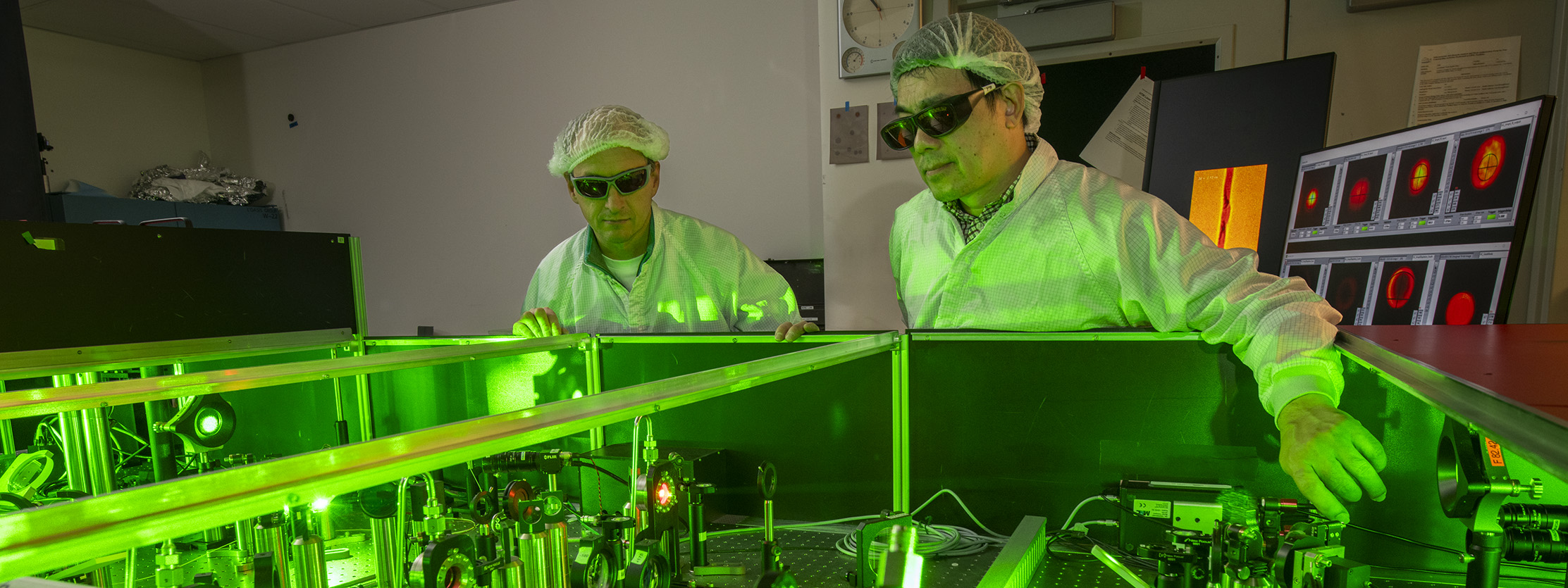
Harnessing fusion energy at scale and with net energy gain presents significant technical challenges. Recent advances have sparked renewed interest in government-funded and private-sector research and development. Several Berkeley Lab programs are contributing to this effort, including the ATAP Division’s Advanced Modeling Program, the BELLA Center, and the Superconducting Magnet Program. The Nuclear Science Division and the Lab’s computer-science expertise and state-of-the-art computing infrastructure also make key contributions.
Superconducting Magnets for Fusion Energy
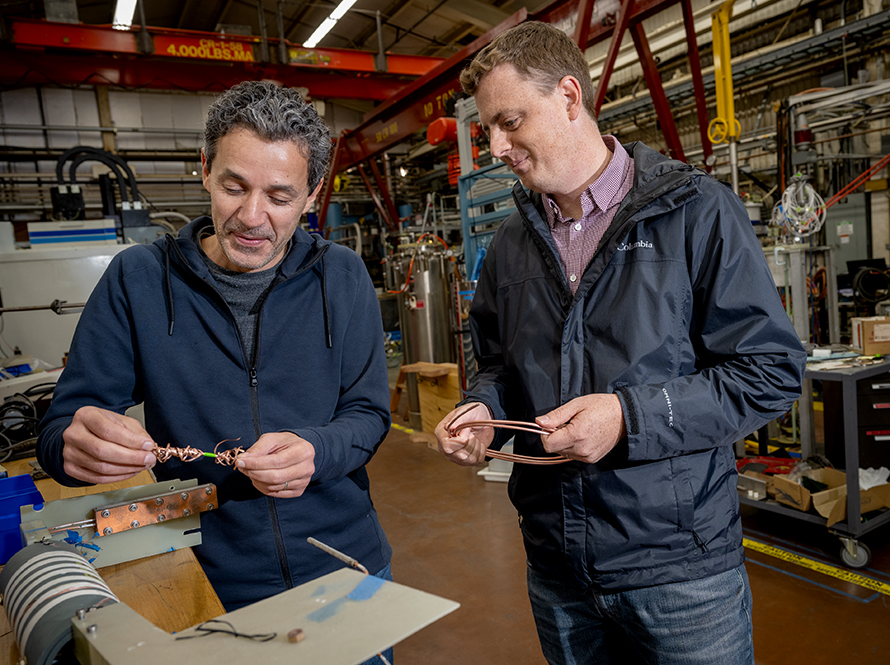
Magnetic confinement fusion uses powerful magnetic fields to confine hot, dense plasmas. Superconducting magnets produce much higher fields, but must be operated at liquid-helium temperatures. Advances in high-temperature superconductors (HTS) have revitalized fusion applications. ATAP’s Superconducting Magnet Program supports fusion development by providing HTS and magnet expertise.
Ultrafast Photon and Particle Sources for Fusion Research
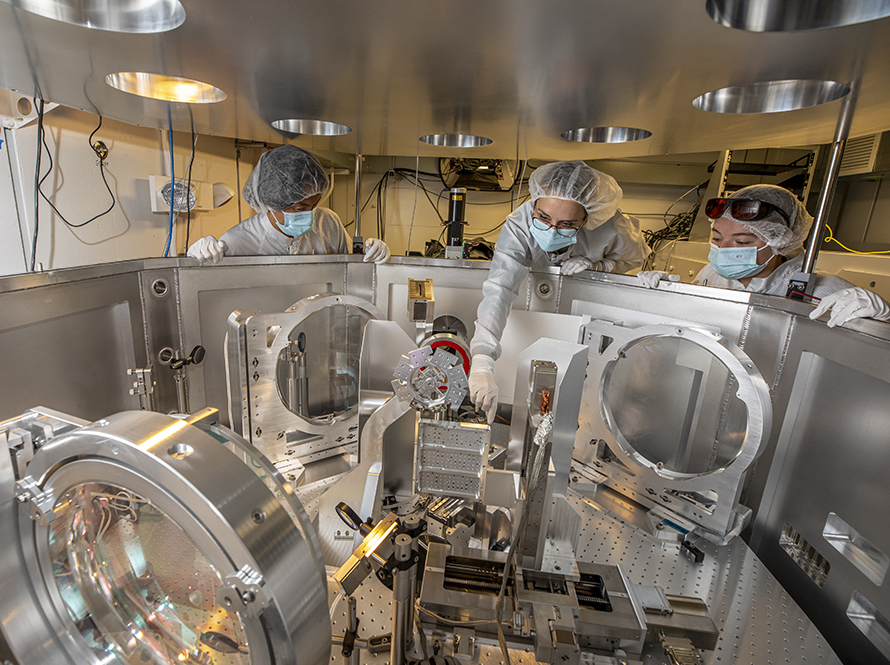
Science relevant to inertial fusion energy—including laser-plasma acceleration of ions as a means of driving inertial fusion targets—and to high-energy-density physics are among the many exciting fields enabled by the BELLA Center’s intense, high-energy lasers.
Modeling at the Exascale
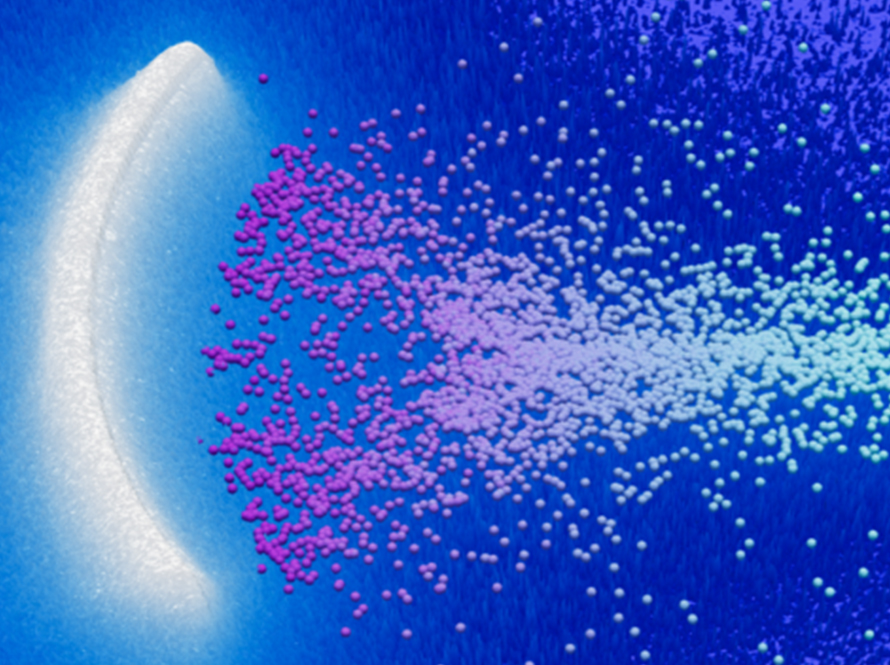
Berkeley Lab leverages its world-class supercomputing facilities and expertise to develop comprehensive, multi-scale models of fusion reactors. By developing state-of-the-art simulation codes and AI-driven methods, researchers are accelerating the design of fusion power plants and enabling the creation of predictive models and “digital twins” of fusion experiments.
Fusion, AI, and the Genesis Mission

Berkeley Lab is leveraging the national Genesis Mission to accelerate fusion energy development. By combining the Lab’s leadership in fusion science, supercomputing, and AI with this federal initiative, we are developing ML-based digital twins and foundational AI models and building an integrated research infrastructure to dramatically shorten the path to commercial fusion energy.
Advanced Particle Sources and Testing for Fusion
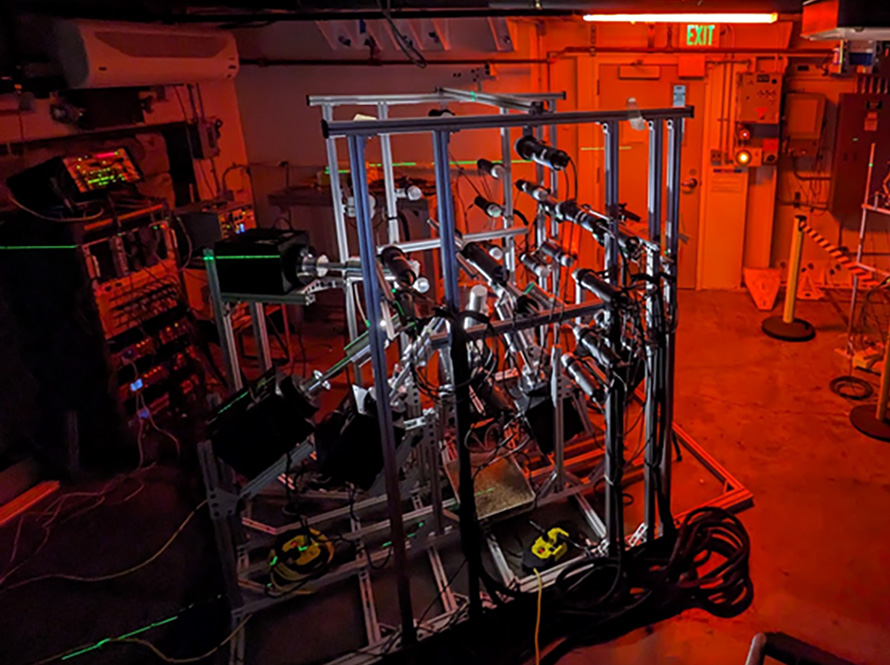
Berkeley Lab provides critical infrastructure for developing f fusion materials and diagnostics. This includes an intense fast-neutron source for materials-damage testing at the 88-Inch Cyclotron and a 14 MeV generator for 3D elemental mapping. Our high-repetition-rate electron-scattering setup captures sub-picosecond defect dynamics, and upcoming work explores neutral-beam injection and photoionization.
Public-Private Partnerships and Facilities for Fusion
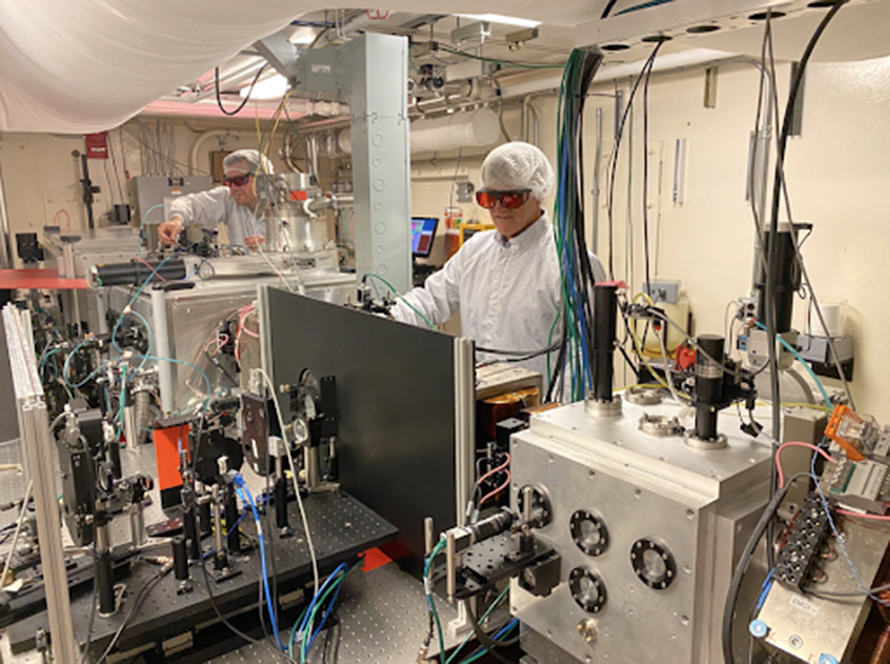
Berkeley Lab welcomes public-private partnerships across industry and academia. Active collaborations span fusion research, technology transfer, and joint funding. Past successes inform current programs, and multidisciplinary expertise, facilities, and regulatory know-how help private companies accelerate fusion concepts, scale components, and reduce risk in early-stage projects, enabling faster market impact.